


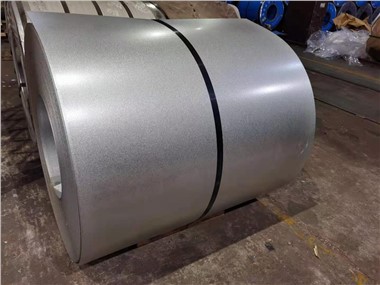
As a common form of steel products, the main components of steel coils are of key significance. These components determine the performance, use and other characteristics of steel coils.
I. Main basic components
1. Iron (Fe)
- Iron is the most important component of steel coils, usually accounting for most of its weight. Iron has basic properties such as good electrical conductivity, thermal conductivity and plasticity, which lays the foundation for the application of steel coils in many fields. For example, in the field of construction, the plasticity of steel coils allows it to be processed into various shapes of building structural components, such as steel beams, steel columns, etc., and its good electrical conductivity is also of great significance in some special industrial buildings if electromagnetic-related equipment or processes are involved.
2. Carbon (C)
- Carbon is another important basic component in steel coils. The carbon content is generally between 0.02% and 2%. When the carbon content increases, the yield point and tensile strength of the steel coil will increase, but the plasticity and impact resistance will decrease. For example, in some mechanical manufacturing fields that require high strength, such as the manufacturing of key parts for automobile engines, steel coils with relatively high carbon content are used to meet the strength requirements of parts. However, when the carbon content exceeds 2%, the welding performance of steel will deteriorate, so for steel coils that require welding processing, the carbon content generally needs to be controlled within an appropriate range. For example, steel coils used in building structures usually do not have too high carbon content to facilitate welding construction.
2. Other common components
1. Silicon (Si)
- Although the content of silicon in steel coils is relatively small, its impact on its performance cannot be underestimated. Silicon can improve the strength and hardness of steel, and at the same time enhance the oxidation resistance of steel. In the production process of steel coils, adding an appropriate amount of silicon can improve the quality of steel coils. For example, in some steel structures that are exposed to outdoor environments for a long time, such as steel coils used in bridges and towers, the presence of silicon helps to improve their oxidation resistance and extend their service life.
2. Manganese (Mn)
- The role of manganese in steel coils is mainly to improve the strength and toughness of steel. It can reduce the hot brittleness caused by sulfur and improve the processing performance of steel. During the rolling process of steel coils, manganese helps make steel easier to form. For example, in some steel coil application scenarios with high toughness requirements, such as manufacturing safety structural components of automobiles, the presence of manganese can ensure that the components are not easy to break when impacted.
3. Phosphorus (P) and sulfur (S)
- Phosphorus and sulfur are impurity elements in steel coils, but their content also needs to be strictly controlled. Although phosphorus can increase the strength of steel, excessive phosphorus will reduce the plasticity and toughness of steel, especially in low temperature environments, which will increase the brittleness of steel. This phenomenon is called cold brittleness. Sulfur can cause hot brittleness of steel, that is, it is easy to crack during hot processing. Therefore, in the production of steel coils, the content of phosphorus and sulfur needs to be controlled at a low level to ensure the quality and performance of steel coils.
III. Other components in special cases
1. Chromium (Cr)
- In some special-purpose steel coils, such as stainless steel coils, chromium is an essential component. Chromium can greatly improve the corrosion resistance and oxidation resistance of steel. When the chromium content reaches a certain proportion, a dense chromium oxide protective film will form on the surface of steel to prevent further corrosion of the steel by the external environment. For example, in the manufacture of products that need to resist corrosion, such as kitchen utensils and chemical equipment, steel coils containing chromium are widely used.
2. Nickel (Ni)
- Nickel is often added to steel coils together with chromium, especially when manufacturing stainless steel coils with stronger corrosion resistance. Nickel can further improve the corrosion resistance, toughness and plasticity of steel. In some high-end building decoration materials, marine engineering equipment and other steel coils, the presence of nickel helps to improve the performance of steel coils in harsh environments.
3. Molybdenum (Mo)
- Molybdenum can improve the strength, hardness, wear resistance and corrosion resistance of steel coils. In some applications that need to withstand high loads, high temperatures and corrosive environments, such as steel coils used in oil extraction equipment, aerospace components, etc., the addition of molybdenum can effectively improve the performance of steel coils.