


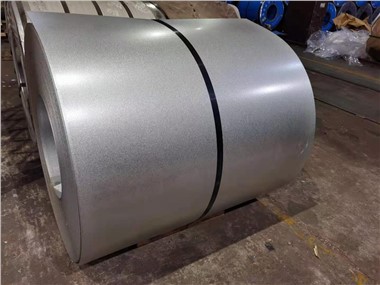
Steel coils are an essential component in various industries, including construction, automotive, and manufacturing. Their heaviness is a direct result of their material composition, manufacturing process, and intended applications. Understanding why steel coils are so heavy provides valuable insights into their properties, uses, and the challenges associated with handling and transporting them. Material Composition Steel is an alloy composed primarily of iron, with small amounts of carbon and other elements added to enhance its properties. The combination of these elements gives steel its unique strength and durability. The density of steel is relatively high, typically ranging from 7.85 to 8.05 grams per cubic centimeter (g/cm³). This high density directly contributes to the weight of steel coils, as it means that even relatively thin sheets of steel can be quite heavy. Manufacturing Process The manufacturing process of steel coils also plays a significant role in their heaviness. Steel coils are produced through various processes, including hot rolling, cold rolling, and galvanizing. These processes involve heating, rolling, and cooling the steel to achieve the desired thickness, strength, and finish. The resulting coils, even when made from thin sheets of steel, can weigh several tons due to their large surface area and the inherent density of the material. Intended Applications Steel coils are used in a wide range of applications where strength, durability, and resistance to wear and tear are crucial. For example, in the construction industry, steel coils are used to manufacture roofing materials, beams, and columns. In the automotive industry, they are used to produce vehicle bodies, frames, and parts. The heaviness of steel coils ensures that they can withstand significant forces and provide the necessary structural integrity in these applications. Handling and Transportation Challenges The substantial weight of steel coils presents several challenges when it comes to handling and transportation. Specialized equipment, such as cranes, forklifts, and heavy-duty trucks, is required to move and transport these coils safely. Improper handling can lead to accidents, damage to the coils, or injury to personnel. Therefore, strict safety protocols and experienced personnel are necessary to manage the heaviness of steel coils effectively. Conclusion The heaviness of steel coils is a direct result of their material composition, manufacturing process, and intended applications. While this weight poses challenges in handling and transportation, it is also a testament to the strength and durability of steel. Understanding the reasons behind the heaviness of steel coils is crucial for industries that rely on them, as it helps in designing safer and more efficient methods for their use and management.