


Factors to Consider When Choosing a Downspout Forming Machine
1 Machine size and capacity
Manufacturers should consider the size and capacity of the machine to ensure it meets their production requirements. Factors such as maximum roll width, production speed and the length of downspout the machine can handle should be considered.
2 Durability and reliability
Investing in a reliable and durable downspout roll forming machine is critical to long-term productivity. Manufacturers should choose machines that are made of high-quality materials and equipped with sturdy components that can withstand the demands of continuous operation.
3 Easy to operate and maintain
The ease of operation and maintenance of the machine should also be considered. Intuitive control systems, clear instructions and easy-to-service maintenance points help make the production process smoother and minimize downtime.
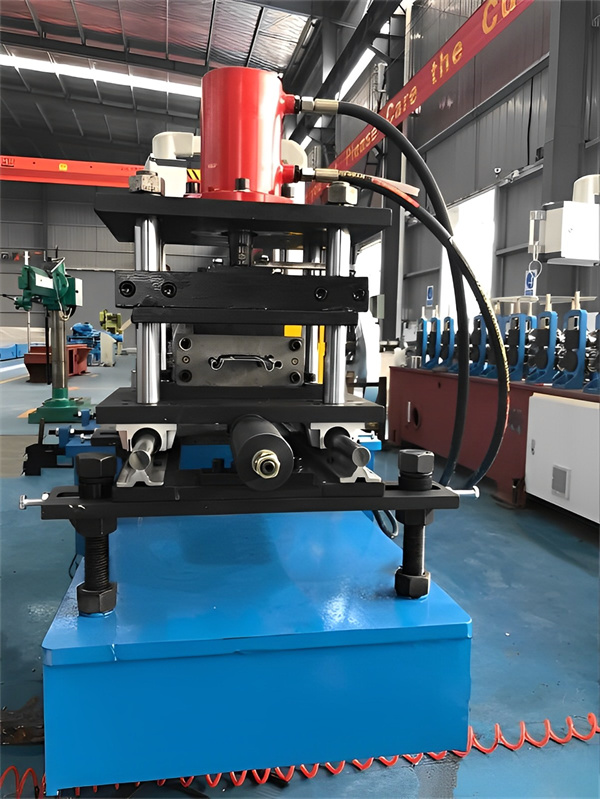
Application of Downspout Forming Machine
1 Residential and commercial buildings
Downspout roll forming machines are widely used in residential and commercial construction projects. They efficiently produce downspouts for stormwater drainage systems, ensuring effective water management and preventing structural damage.
2 construction projects
Architects and designers often require custom downspouts that blend seamlessly with the building's architectural aesthetic. Downspout roll forming machines provide the necessary flexibility to manufacture downspouts in a variety of profiles, helping to achieve the desired visual appeal.
3 Rainwater collection system
With the growing emphasis on sustainable practices, rainwater harvesting systems are becoming increasingly popular. Downspout roll forming machines play a vital role in manufacturing downspouts used in these systems, enabling efficient collection and storage of rainwater for various purposes.
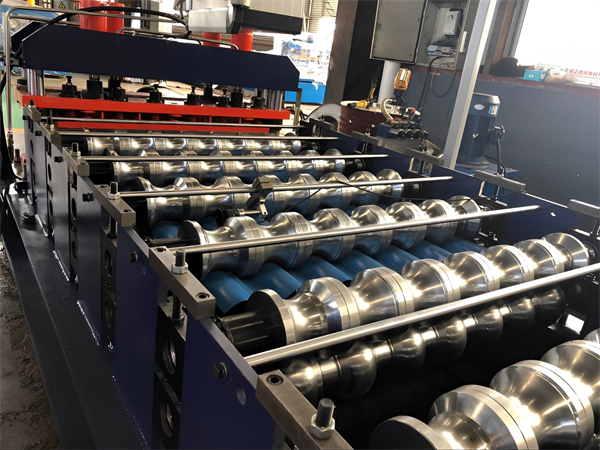
in conclusion
Downspout roll forming machines offer many advantages to manufacturers involved in downspout production. Its efficient production capabilities, customization options and cost savings make it an indispensable tool in the industry. By carefully considering factors such as machine characteristics, operating principles, and applications, manufacturers can make an informed decision when selecting a downspout roll forming machine that suits their needs.
1. Can the downspout forming machine produce downspouts of different sizes?
Yes, downspout roll forming machines can be adjusted to produce downspouts in a variety of lengths and sizes, allowing for customization options.
2. What materials can be used for downspout forming machines?
Downspout roll forming machines are suitable for a variety of materials, including aluminum, steel and copper. Depending on the specific application, these materials offer different advantages. Aluminum is lightweight, corrosion-resistant and easy to work with, making it suitable for both residential and commercial projects. Steel is known for its strength and durability, making it ideal for heavy-duty applications. Copper is valued for its aesthetic appeal and natural resistance to corrosion, and is often chosen for use in construction and high-end projects.
3. How long does it take to produce downspouts using a forming machine?
The time it takes to produce downspouts using a roll forming machine depends on several factors, including length, complexity of the profile and the speed of the machine. Generally, these machines are capable of high-speed production, allowing for efficient manufacturing. The entire process from feed to final product collection takes just a few minutes, enabling a continuous, fast production cycle.
4. Is it worthwhile to invest in a downspout forming machine?
Investing in a downspout roll forming machine can be highly cost-effective in the long run. These machines contribute to significant cost savings by streamlining the production process and eliminating manual labor. Manufacturers can reduce labor costs, minimize material waste, and eliminate the need to outsource downspout production. Additionally, the ability to customize downspouts to specific project requirements eliminates the need to purchase prefabricated components, further increasing cost effectiveness.
5. Can the downspout forming machine be operated by unskilled personnel?
While operating a downspout roll forming machine requires a certain level of technical knowledge, modern machines are designed with user-friendliness in mind. The manufacturer provides clear instructions and an intuitive control system for easy operation. Training programs and support are often available to ensure operators can use machines efficiently and safely. However, it is still recommended to have skilled personnel or provide adequate training to maximize productivity and maintain optimal machine performance.