


Introduction
Steel is one of the most widely used materials in construction, manufacturing, and various industries due to its strength, durability, and versatility. However, one of the significant challenges associated with steel is its susceptibility to corrosion. Corrosion can lead to structural failures, economic losses, and safety hazards. This article explores whether steel corrodes easily, the factors influencing its corrosion rate, and effective prevention strategies.
Does Steel Corrode Easily?
Steel, an alloy primarily composed of iron and carbon, does not inherently corrode easily, but it is prone to corrosion under certain conditions. The corrosion process involves the reaction of iron with oxygen and water, leading to the formation of iron oxides, commonly known as rust. The ease with which steel corrodes depends on several factors, including environmental conditions, the presence of protective coatings, and the steel's chemical composition.
Factors Influencing Steel Corrosion
1. Environmental Conditions
The environment plays a crucial role in the corrosion of steel. Factors such as humidity, temperature, and exposure to corrosive substances like salts, acids, and industrial pollutants can accelerate the corrosion process. For instance, steel structures in coastal areas are more susceptible to corrosion due to the high salt content in the air.
2. Presence of Protective Coatings
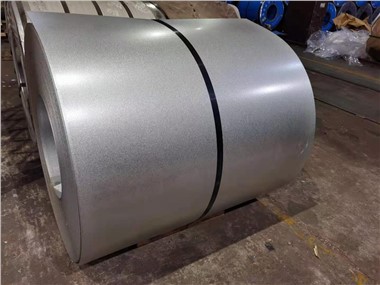
Protective coatings, such as paints, galvanization, and plastic coatings, act as barriers between the steel and the environment. These coatings prevent moisture and oxygen from reaching the steel surface, thereby reducing the risk of corrosion. The quality and integrity of these coatings significantly influence the corrosion rate.
3. Chemical Composition of Steel
The type and amount of alloying elements in steel can affect its corrosion resistance. For example, stainless steel contains chromium, which forms a passive oxide layer on the surface, providing excellent corrosion resistance. In contrast, low-carbon steel may corrode more easily due to its higher iron content.
4. Surface Condition
The surface condition of steel also affects its corrosion behavior. Rough surfaces or surfaces with defects like cracks and pits can trap moisture and corrosive substances, promoting localized corrosion. Proper surface preparation and maintenance can mitigate this risk.
Prevention Strategies
1. Use of Corrosion-Resistant Alloys
Selecting the appropriate type of steel for a given application can greatly reduce the risk of corrosion. For instance, stainless steel, weathering steel, and other specialized alloys offer enhanced corrosion resistance.
2. Protective Coatings
Applying high-quality protective coatings is one of the most effective ways to prevent steel corrosion. These coatings should be selected based on the specific environmental conditions and service requirements. Regular inspection and maintenance of these coatings are essential to ensure their effectiveness.
3. Cathodic Protection
Cathodic protection involves connecting the steel structure to a sacrificial anode or an impressed current system. This method provides electrical protection by directing the corrosive attack to the anode, thus preserving the steel.
4. Environmental Control
Controlling the environment in which steel structures are used can also help prevent corrosion. Measures such as proper ventilation, humidity control, and shielding from harsh weather conditions can significantly extend the lifespan of steel structures.
5. Regular Inspection and Maintenance
Regular inspection and maintenance are critical to identifying early signs of corrosion and taking timely corrective actions. This includes cleaning the steel surface, repairing damaged coatings, and applying additional protective measures as needed.
Conclusion
While steel does not corrode easily under all conditions, it is susceptible to corrosion when exposed to certain environmental factors and harsh conditions. Understanding the factors that influence steel corrosion and implementing effective prevention strategies can significantly enhance the durability and longevity of steel structures. By selecting the right type of steel, applying protective coatings, employing cathodic protection, controlling the environment, and conducting regular inspections and maintenance, we can mitigate the risk of corrosion and ensure the structural integrity and safety of steel constructions.